
A returning player is in an unusual position: they have a body of knowledge that is mostly right and partly stale, and no reliable way to tell which parts are which. The 2.0 Frozen Trail update is a good case study, because it added enough to matter and changed enough to invalidate specific habits without invalidating the underlying approach.
The tracked record since then is twelve builds long, from 1.43.0 through 2.2.0. Most of those builds changed very little that a returning raider needs to know. A few changed things that a returning raider will otherwise get wrong, and the purpose of this dispatch is to separate the two.
What actually brought players back
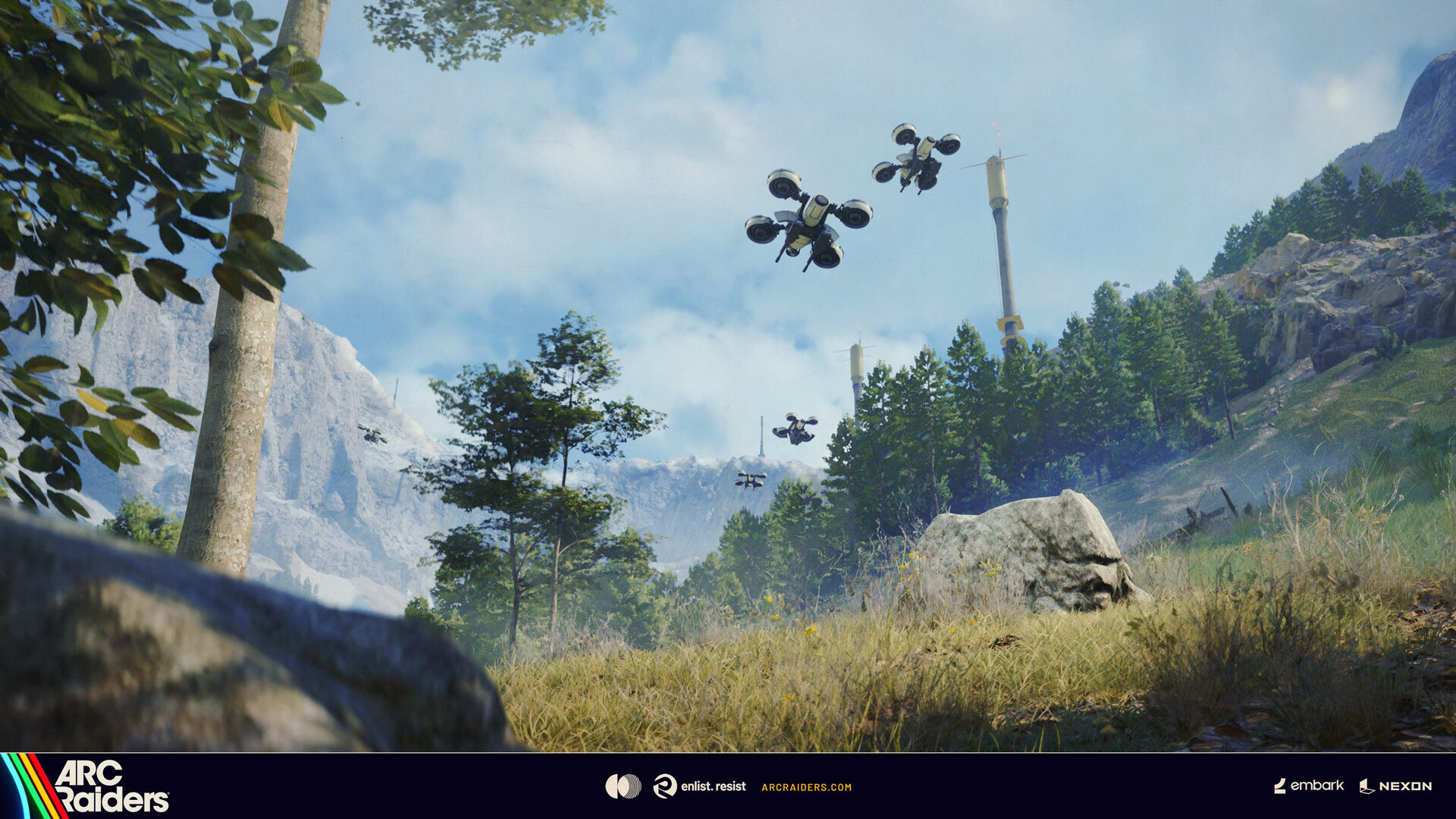
Frozen Trail added a snow-covered surface with conifers and industrial ruins, new ARC units in the codex, and a Frozen Trail track on the reward pass. It was accompanied by a free-play window from 8 to 12 October. Those four facts explain most of the return: a new place to learn, a new thing to fight, a new progression track to work through, and a free window that let lapsed players check the state of the game without buying in blind.
The free-play window is the part usually left out of the story, and it is the part that matters most for population. A window concentrates arrivals: for a few days the game is full of players who are all slightly lost, and the weeks after are full of players who are newly confident. A returning raider who comes back during or just after such a window meets an unusually volatile population.
What a returning raider gets wrong first
The first error is treating the new surface as the old surfaces with a different palette. Snow changes sightlines and sound in ways that invalidate specific habits, and those habits were probably learned so thoroughly that they will not be questioned. A raider who crosses an open snowfield at the pace they used to cross an open field on an older surface will be seen doing it.
The second error is assuming a known location is still shaped the same way. The 2.1.0 update polished Pendola Pass specifically: gaps and clipping, hard-to-traverse spots, visual pop-in, blocked unintended areas, and a Railyard location where jumping and auto-stepping failed. It also made Grappling Hook vaulting onto ledges and roofs easier, with more reliable auto-vault at the top of rope climbs.
That list reads like housekeeping and is not. Each item changes what is possible. A route that used to be blocked may now work; a route that used to work through a gap may now be closed. A returning raider who runs their old route without checking is running a route from a different version of the map.
The PvE question, answered carefully
Returning players often ask about PvE first, because it is the change that sounds largest. The accurate answer is narrow: a PvE toggle ran as a beta test from 13 to 20 October 2026 and closed with the 2.2.0 update, with feedback collection afterwards. It is a tested mode with a defined window, not a permanent server rule.
What that means practically is that a returning raider should not plan around it as a standing option. The useful thing to take from the beta is what it revealed about PvE behaviour in isolation — machine classes, patrol patterns, engagement ranges — and that knowledge transfers to the standard mode. The mode itself was a test, and the test ended.
The relearning order
A returning raider does not need to relearn everything. They need to relearn in the right order, because the strategic layer is intact and the tactical layer has decayed. The strategic layer is the set of principles: preparation determines the raid, weight is a combat statistic, extraction is a location, information beats firepower. None of that needs revisiting.
- Relearn the map geometry on whichever surface you intend to play, because collision and traversal fixes have changed what routes exist.
- Relearn the sound model on snow specifically, because the surface absorbs unevenly and the old distance-to-volume intuition is unreliable.
- Re-read the two most recent patch notes for traversal, extraction and surface changes, and ignore store rotations entirely.
- Re-check which materials the current workbench tier needs, because the loot priority list from an older version is probably for a tier you have already passed.
What has not changed at all
The loop has not changed. Prepare in the hub, go topside, spend a stretch scavenging, attempt to extract, take the resources back into the hub and turn them into upgrades. Every tracked build since 1.43.0 has been an adjustment to that loop, not a replacement of it.
That is the reassuring part for a returning raider. The instincts that were built on the loop are still valid, because they were built on the part of the game that has been stable. The instincts built on a specific map or a specific weapon are the ones that need checking, and checking them is a matter of a few hours on the new surface rather than a matter of relearning the game.
The one habit worth rebuilding
If a returning raider rebuilds one habit first, it should be the read at minute two: how much distant gunfire, whether nearby containers are already open, whether the machine presence feels thinned. That read is what tells you whether the raid is busy or quiet, and the two call for different behaviour from the same kit.
It is also the habit most likely to have atrophied, because it is not a rule you can look up — it is a judgement built from repetition, and repetition is what a break takes away. Everything else can be read off a patch note. The read has to be walked back into existence.